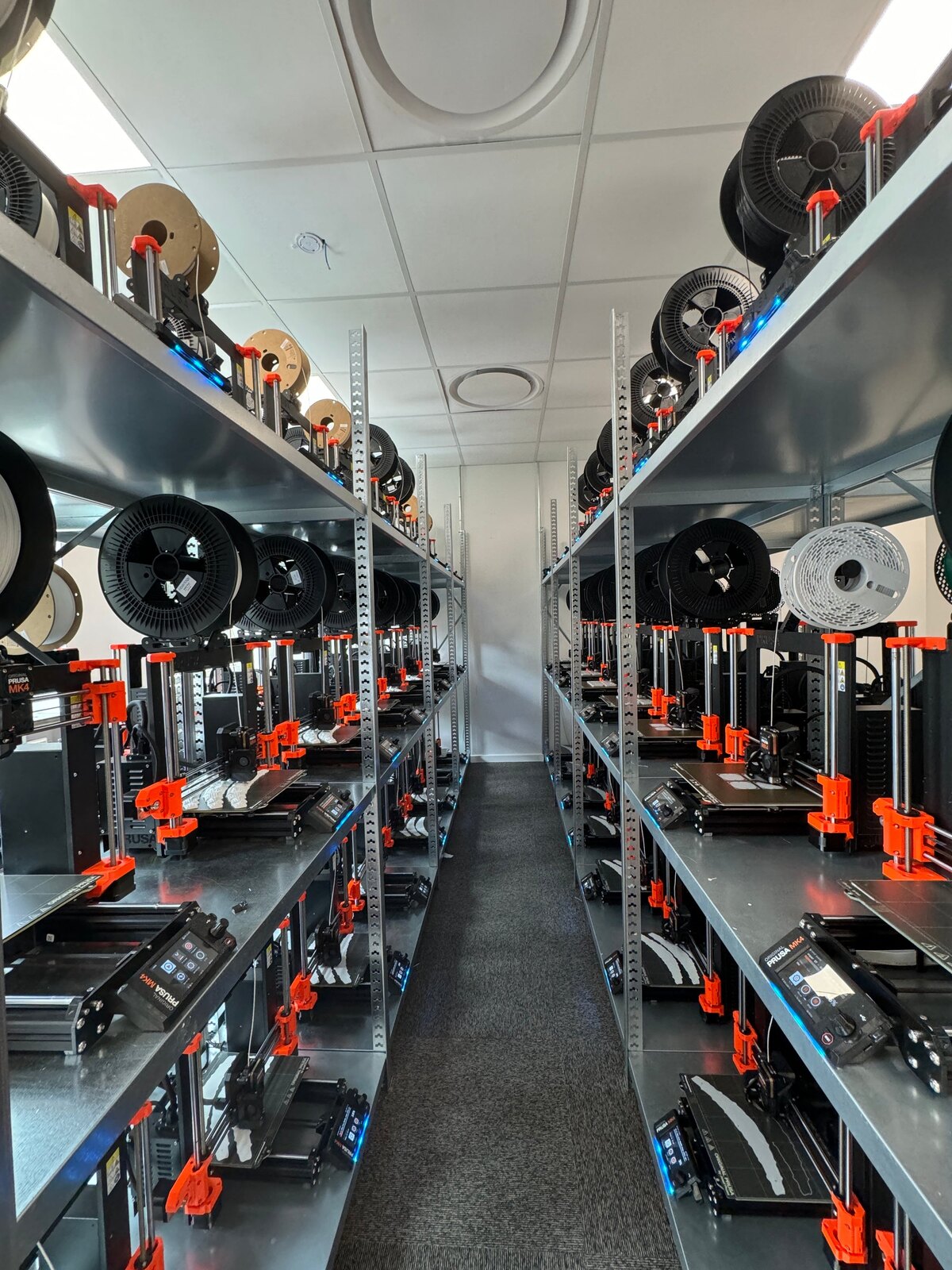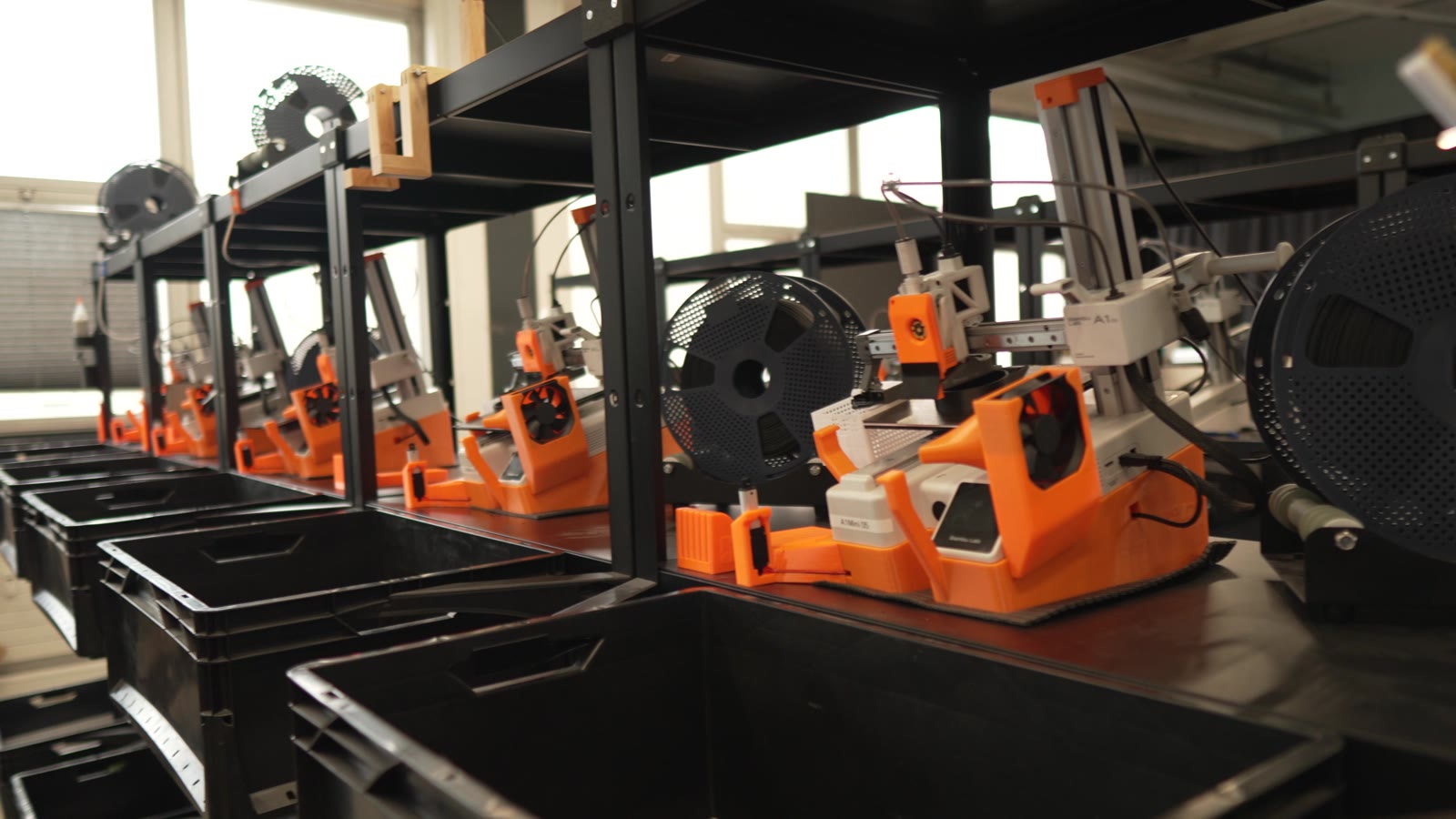
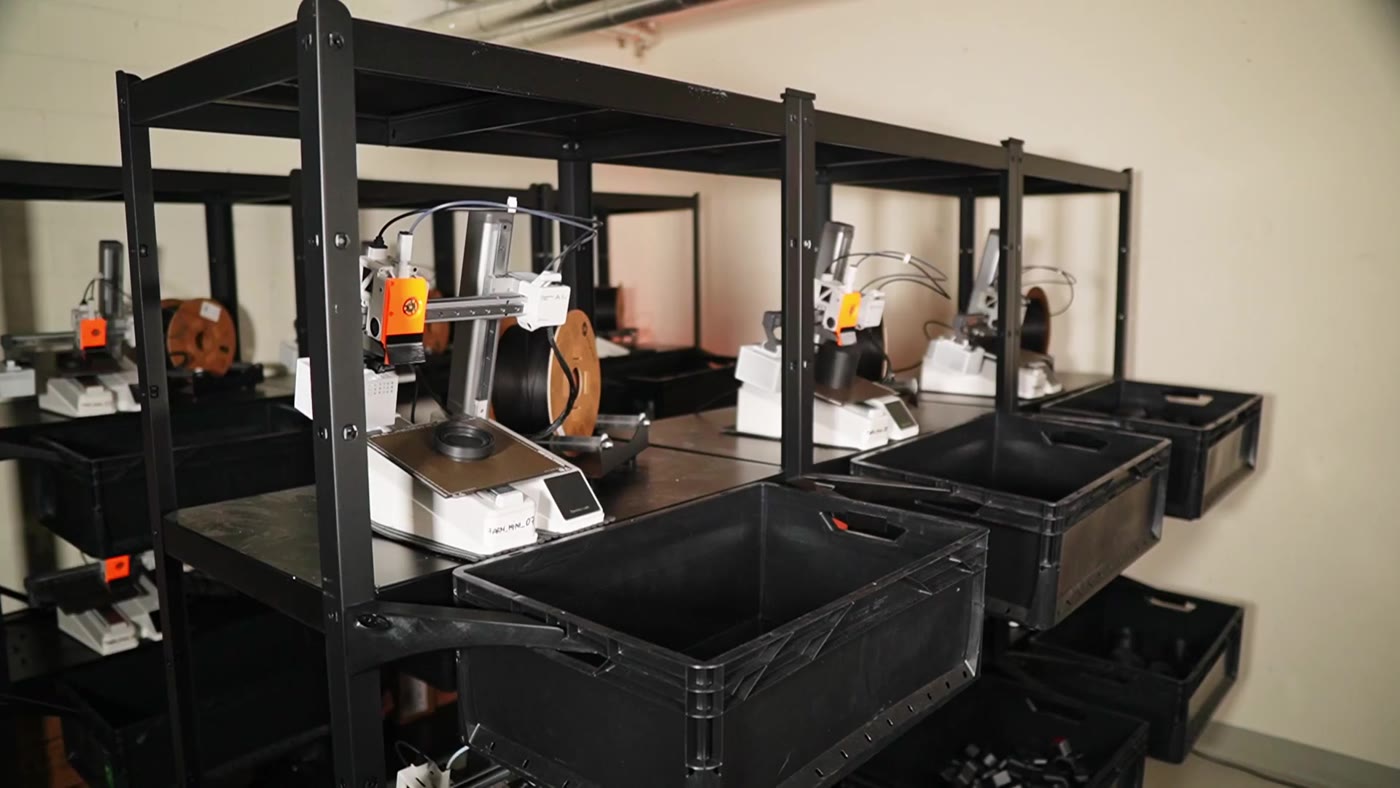
3D Farmers are, unusually, the people who build print-farm automation. They make FarmLoop, the modification that clears a finished print off a Bambu Lab build plate so the printer can start the next job on its own. So when they went looking for software, they were not a farm that needed to be taught how to automate. They already had it. What they needed was something to run the whole automated floor as one system, and that is the part they handed to SimplyPrint.
Without automation, we would simply never be profitable here.
They were automated before they found us#
This is what makes 3D Farmers different from most testimonials: automation came first. They had FarmLoop on the printers, and they had their own software for continuous runs, merging many files into one large file so a printer could loop through a batch. What that setup could not do was manage the farm. David, who runs it day to day, is clear about where the manual work actually was:
Before we used SimplyPrint, we had sent the G-code to the printers one by one. Also, if the production manager was gone and something had to be printed, the file had to be sent to a coworker to start as soon as a printer was free. We had our FarmLoop system that could run a certain number of prints without issues, but the start had to be done by hand anyway. All these production issues are now fixed by using SimplyPrint.
So SimplyPrint did not make them lights-out. It became the management layer on top of the automation they already ran:
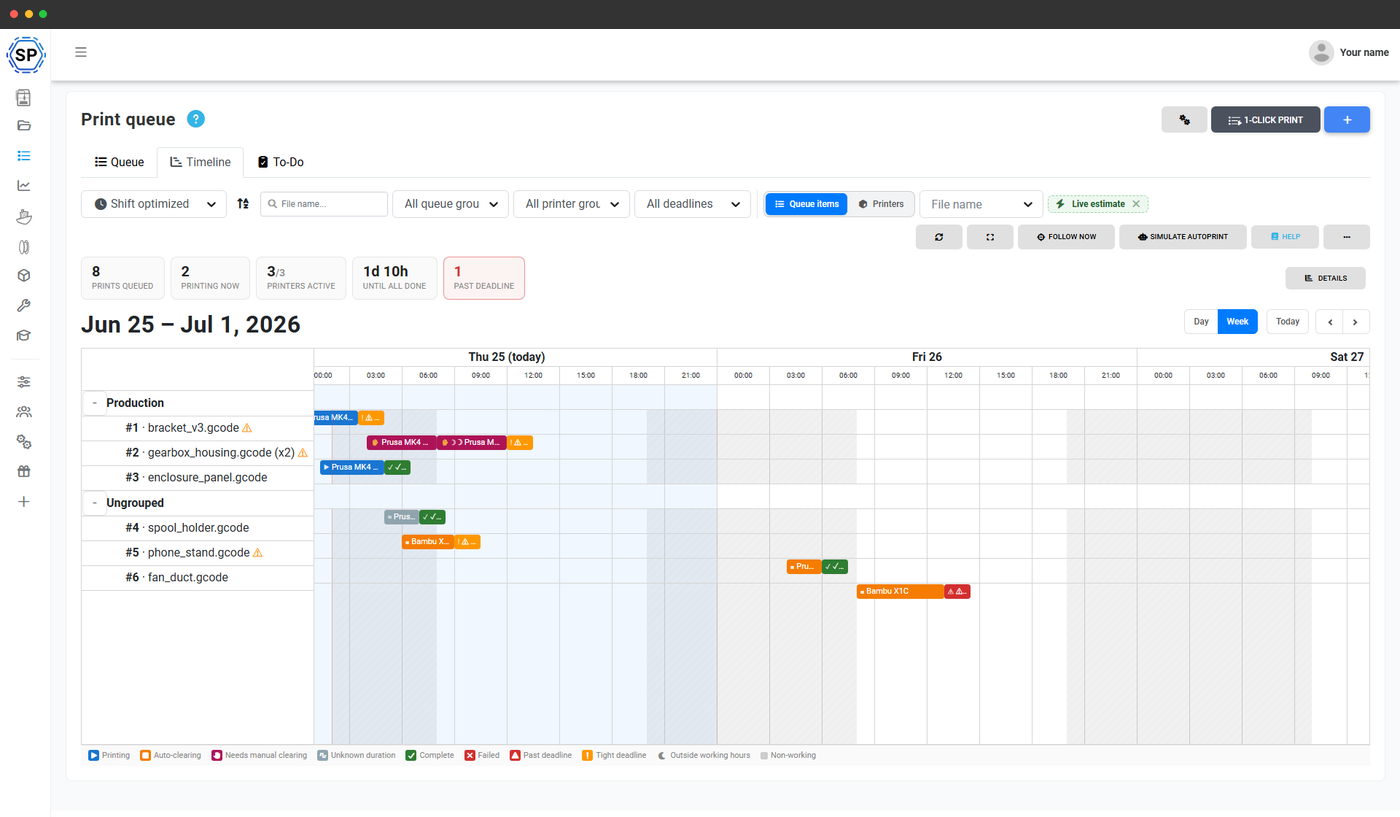
Everything we need is integrated into the app. All our G-codes, job queuing, printer overview, and maintenance management are combined into one web app. It was easy to set up, and we appreciated the fast support and the quick implementation of our feedback.
A normal night: the farm runs, nobody's there#
With management handled, the floor genuinely runs itself. The test of that is the part of the week the building is empty.
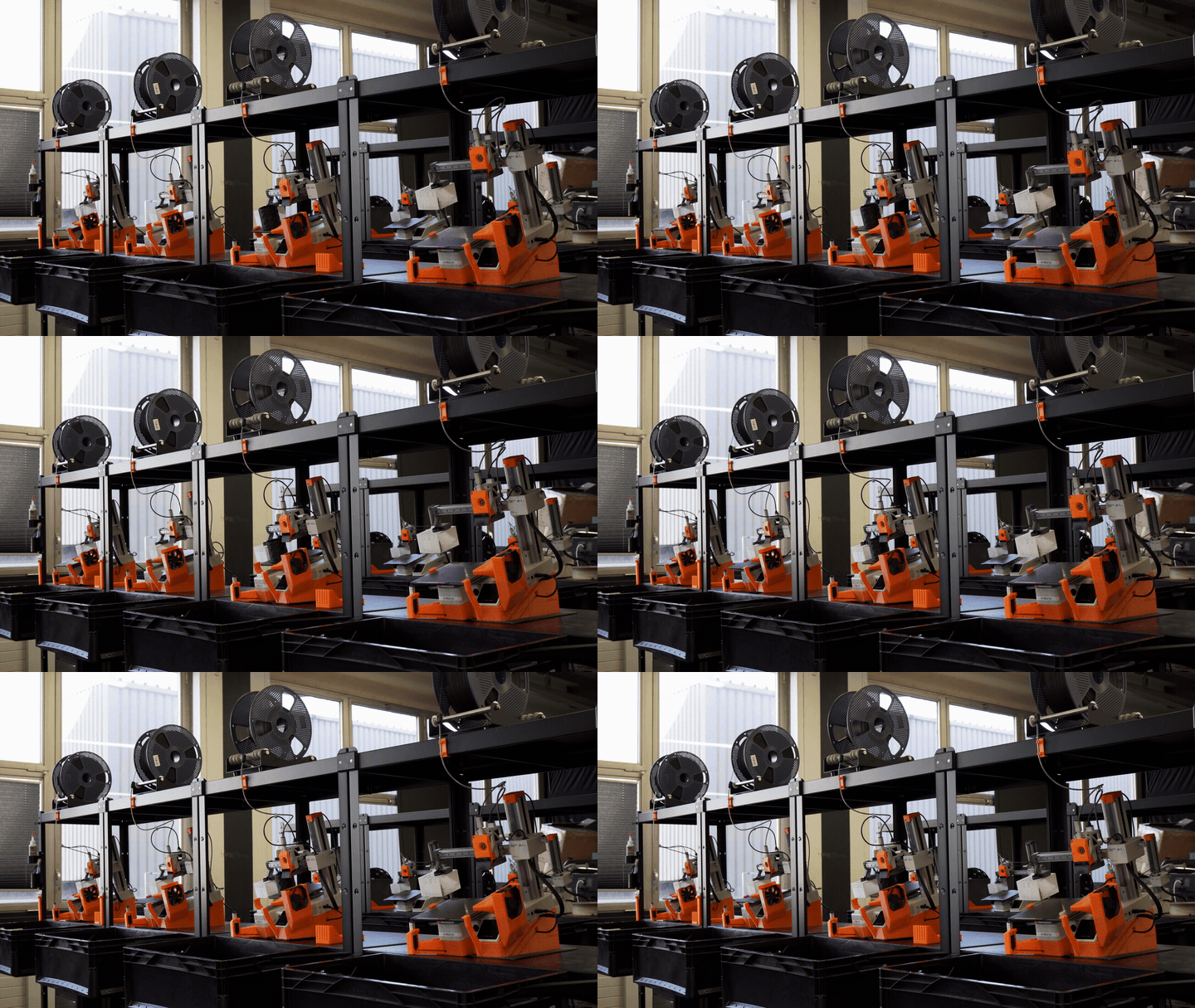
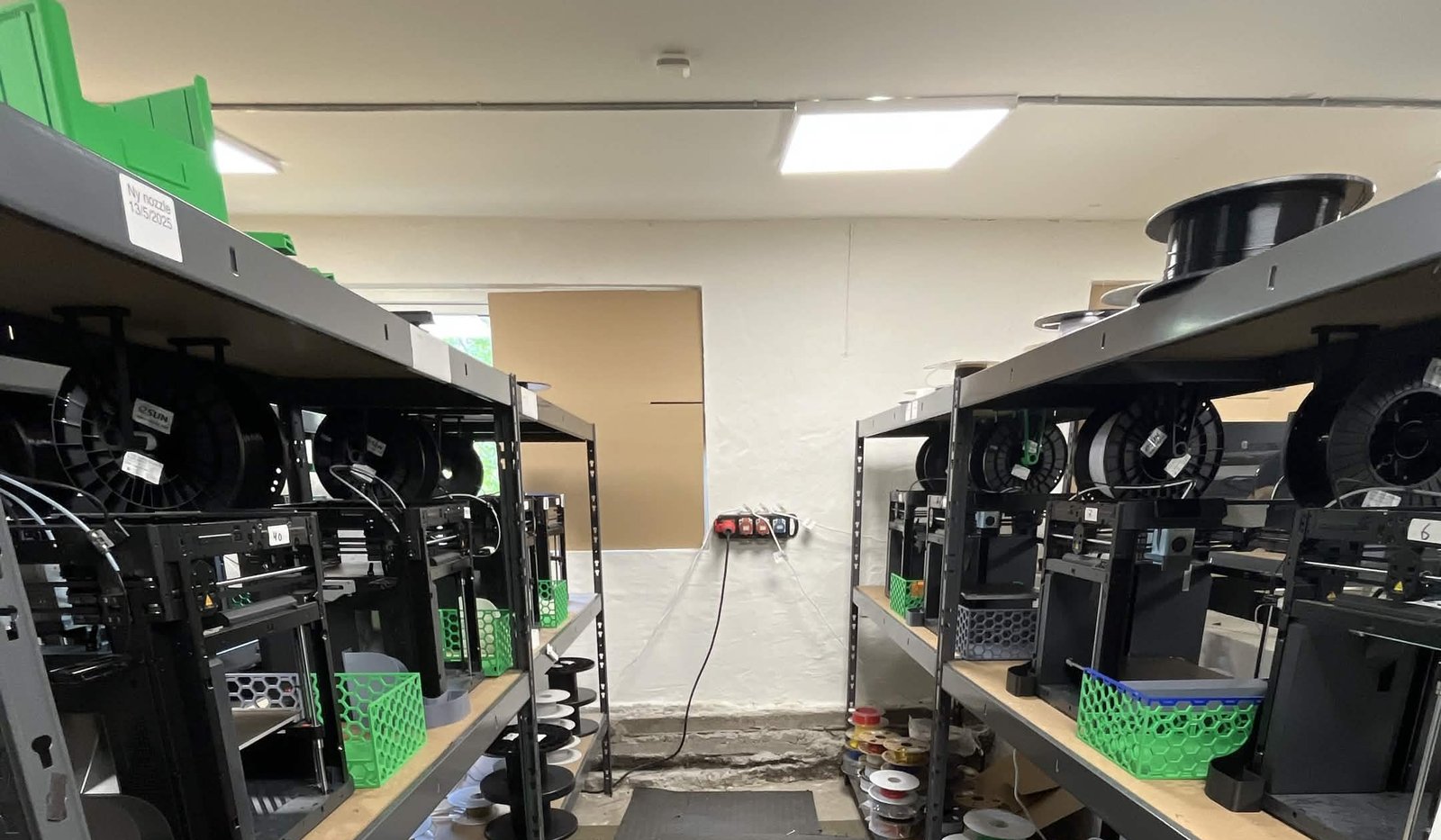
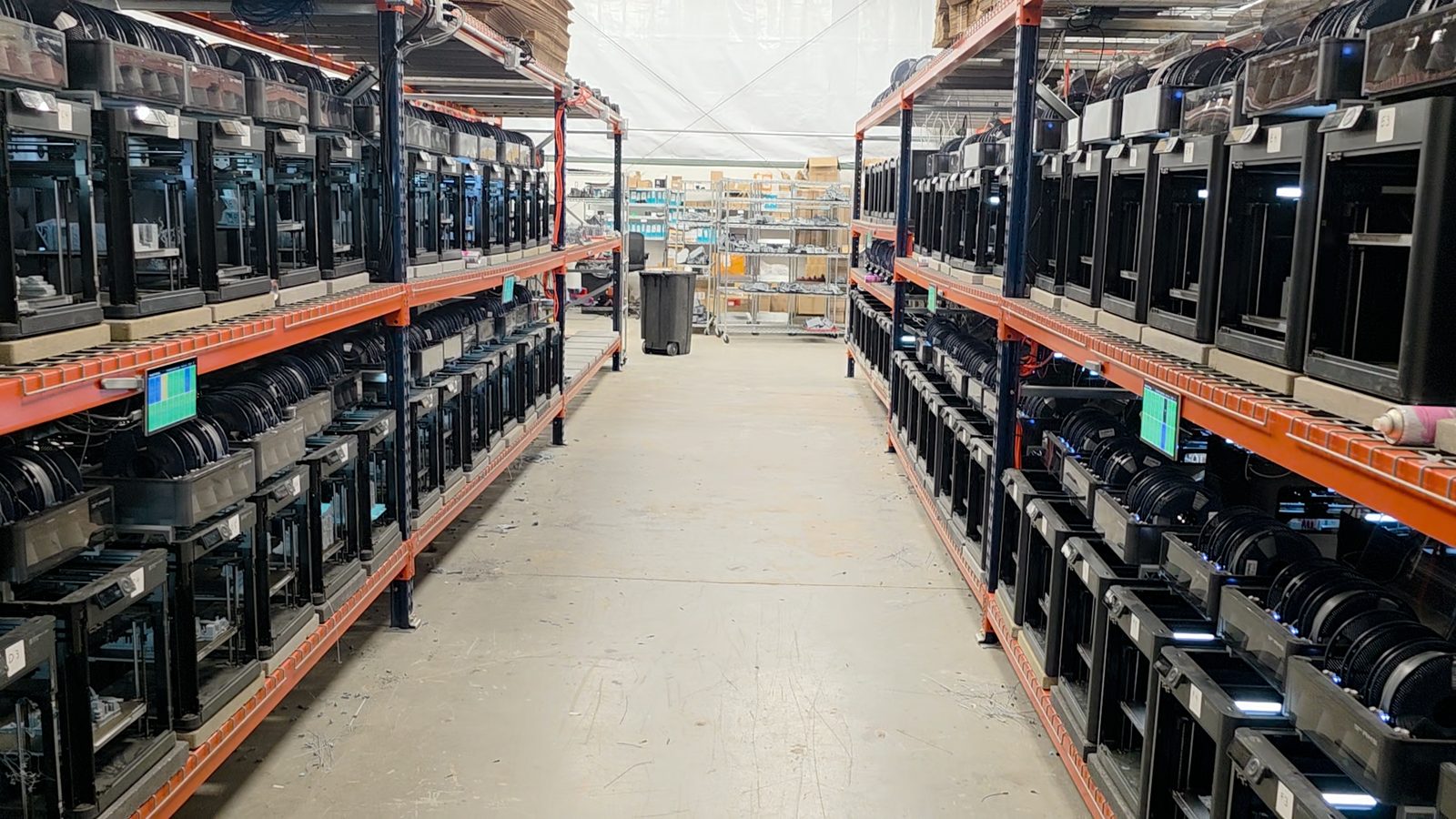
At night, when no one is at the farm, the print farm runs fully automatically. Thanks to bed clearing with FarmLoop, we do not need to worry about clearing the bed after every print. After the bed is cleared, the next jobs start automatically, without needing interference by a worker. And if a print fails, AI failure detection by SimplyPrint stops the printer if something bad happens. That way, we don't have to worry.
How hands-off is it really?
After the precautions, like checking there is enough filament loaded and scheduled maintenance is done, the farm runs fully on its own. We might check every now and then on the phone if we print a critical print, but the production prints are generally fine to leave unattended.
The loop: FarmLoop clears, AutoPrint starts the next#
The handoff every farm owner cares about is the moment a print finishes and the printer has to free itself without a person. David walks through exactly where FarmLoop ends and AutoPrint begins:
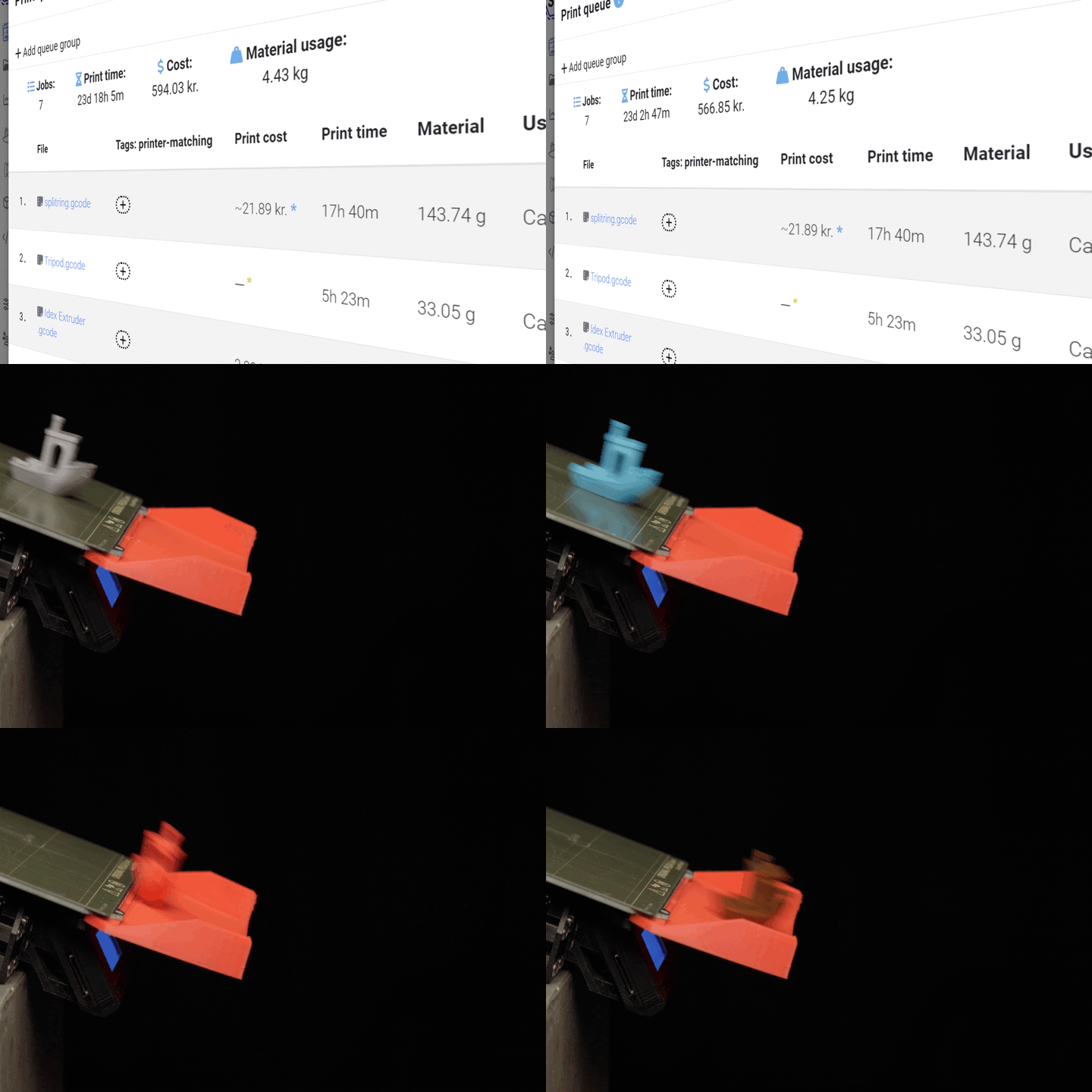
The automation chain starts with SimplyPrint. We put the print job into the queue, and SimplyPrint starts the job on the correct printer based on our settings. During the print, AI failure detection monitors the print for failures. When the print is finished, the FarmLoop system clears the bed on command by SimplyPrint. The printer is then automatically set as cleared, and SimplyPrint assigns a new print job to the printer. From there, the loop starts from the beginning.
Yanyan Huang, the founder, explains what FarmLoop is doing physically, and why that one capability is the whole game:
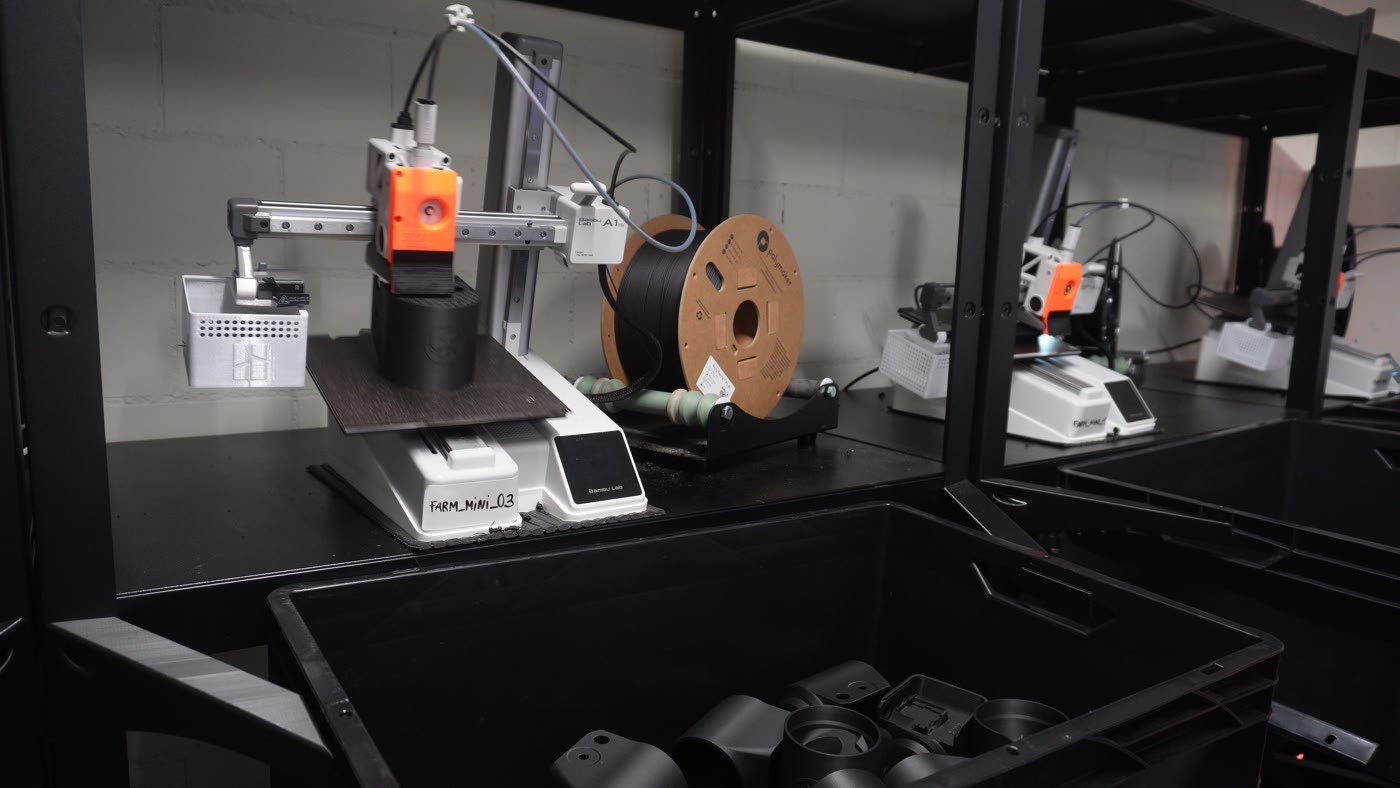
On a Bambu Lab printer, the core problem to solving lights-out printing isn't the printing itself. It's what happens after a print finishes. The bed is occupied, so the printer just sits there until a human clears it. FarmLoop solves that physically: it automatically clears the finished part off the build plate, which frees the printer to start the next job on its own. Combined with software that queues and assigns jobs, that one capability is what turns a printer from a machine that needs babysitting into one that can run through the night.
One screen for the whole floor#
If the loop is the body, the overview window is the part David would not give up. It is what lets one person run an automated farm without standing in it:
I'd really hate to lose the overview window. I can see everything that is going on in the farm. I do not have my PC directly next to the printers, so I can do some engineering or management tasks while checking on my printers on my second screen.
And the small, constant task that used to interrupt that work is gone too:
One repetitive manual task that is now handled by SimplyPrint is file search. I just need to search for the part number, and I can add it to the queue without having to open the file. This saves a lot of time as well.
Why automation is the only way the maths works in Switzerland#
3D Farmers chose to manufacture in one of the most expensive places on earth, and Yanyan is candid that automation there is not a bonus, it is the entire premise:
Switzerland is one of the most expensive places on earth to manufacture, and the cost that kills you here is labor. Automation is what makes the maths work. It's not a nice-to-have, it's the whole premise. By automating the production loop, we save the personnel hours and labor costs that would otherwise make local manufacturing uncompetitive, and we redirect that human time into developing and refining products instead of babysitting machines. Without automation, the same farm in Switzerland simply wouldn't pencil out.
David puts the same point in plain operational terms, the counterfactual every farm owner should run:
To get the same output from the farm without SimplyPrint, we would need to hire additional personnel. Just the preparation and managing of the print jobs takes about one to two hours per day, and apart from that I do not need to interrupt my workflow to check on printers - I can just glance over to the other screen.
What the automation is actually for#
The farm is the engine, not the point. Yanyan is clear that the lights-out floor exists to make real products - CremaLoop, their consumer brand of coffee gear - and to free people for the work only people can do:
The farm exists to make real products. CremaLoop is the consumer side, actual things that ship to actual customers. Running it lights-out means the machines make money while we sleep, and the human hours we'd otherwise spend starting prints and clearing beds go into the things only humans can do: designing new products, improving existing ones, and building the business. Automation doesn't replace the people. It frees them to do the work that actually grows the company.
They also give away free FarmLoop designs - the STLs are on MakerWorld - on purpose:
The 3D printing community is built on people sharing what they figured out, and we benefited from that on the way up. Giving away the DIY designs lowers the barrier for someone who wants to start but can't justify buying a finished system yet. Generosity and good business aren't in conflict here.
Advice from the people who build the automation#
Because 3D Farmers also teach this - through their YouTube channel and Skool community - Yanyan has a clear view of what aspiring farmers get wrong. The first mistake is buying hardware before demand:
The most common mistake is buying printers first and thinking about demand later. A print farm is a manufacturing business, not a printer collection. The bottleneck is almost never how many printers you own, it's whether you have a proven product with real demand. The second thing they underestimate is post-processing and fulfillment. The printing is the easy part; packing, shipping, customer service, and quality control are where the hours actually go.
His advice on what to automate first is unambiguous, and it is exactly the handoff above:
Automate the bed clearing. It's the single change that unlocks unattended printing, because it's the one manual step standing between "I start every print by hand" and "the farm runs while I sleep." Everything else - queuing, monitoring, failure detection - matters, but bed clearing is what changes the math on how many printers one person can run.
And the lesson he didn't expect, the one that separates a farm that runs from a farm that breaks:
The hardest problems are operational, not technical. The things that actually limit a farm are mundane: filament running out at 2am, a plate not releasing cleanly, keeping track of which job goes where. Reliability is king. A simple system that runs unattended 99% of the time is worth far more than a sophisticated one that needs you to intervene twice a night. And a huge part of reliability is maintenance - a printer that's serviced on schedule fails less, prints more consistently, and costs you fewer wasted nights. Treat maintenance as part of production, not an interruption to it.
Where it's going#
Asked for the dream, Yanyan frames 3D Farmers as a mission to make automated manufacturing something a small team, or one determined person, can actually reach:
The dream is to make automated, profitable 3D print manufacturing accessible to anyone - to take what used to require an industrial budget and put it within reach of a small team. We want FarmLoop to be the system that lets people run real production anywhere, including high-cost countries where it supposedly "can't work."
TL;DR#
3D Farmers build FarmLoop and were automated before they ever found SimplyPrint. What SimplyPrint added is the management layer: one queue that assigns and starts every job, one overview window for the whole floor, AI failure detection and maintenance tracking. FarmLoop clears the finished print, AutoPrint starts the next, and a couple of dozen Bambu printers run near lights-out in Switzerland - which, in one of the most expensive countries on earth to make anything, is the only way the maths works.