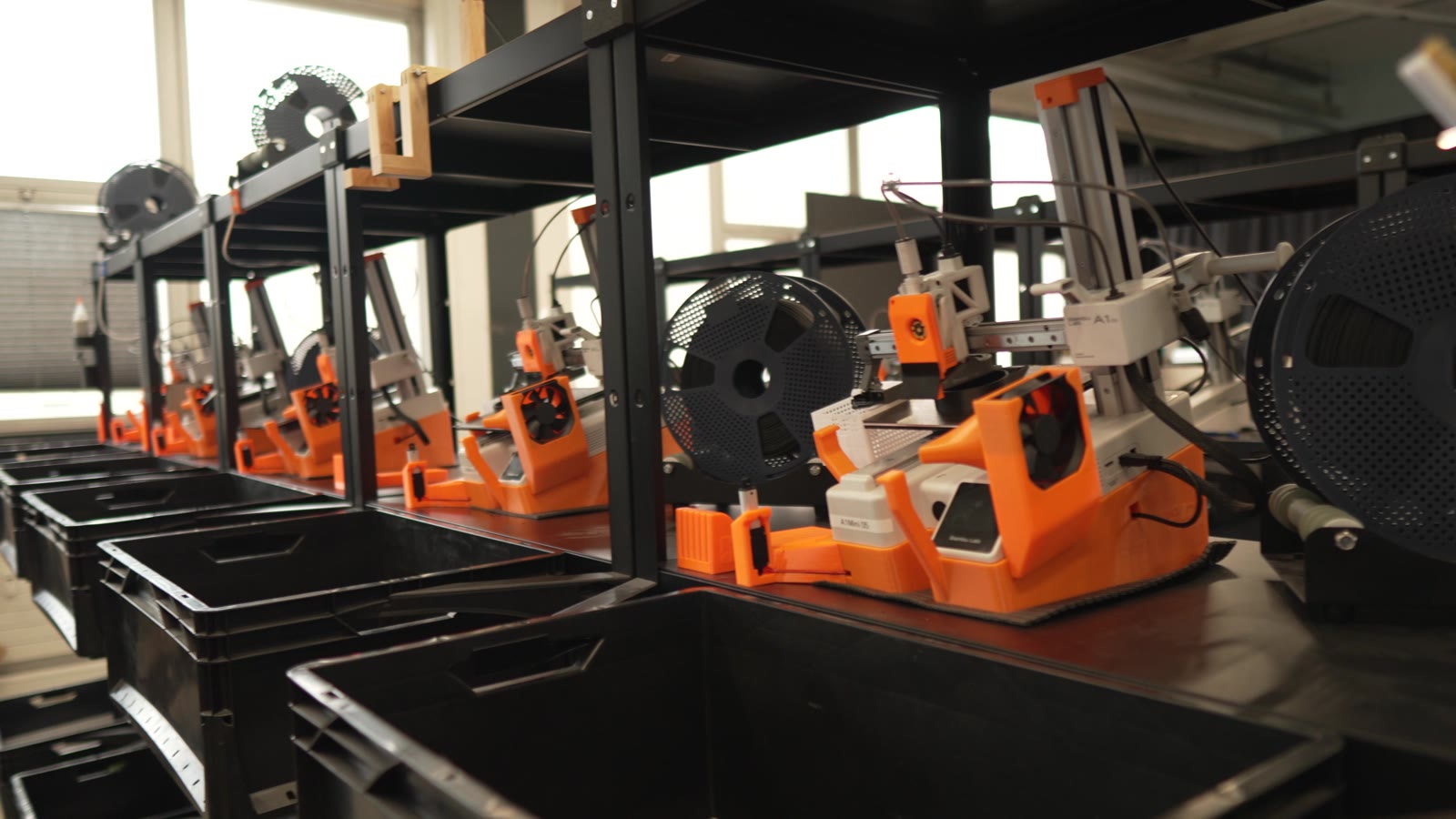
The Media High School of Copenhagen (Kobenhavns Mediegymnasium, part of NEXT) is an upper-secondary school in the centre of Copenhagen. It was also the very first school to run on SimplyPrint, back in 2020. Today its students and teachers have completed more than 9,800 prints between them. It did not start that way. For a long time, the school's 3D printers mostly gathered dust.
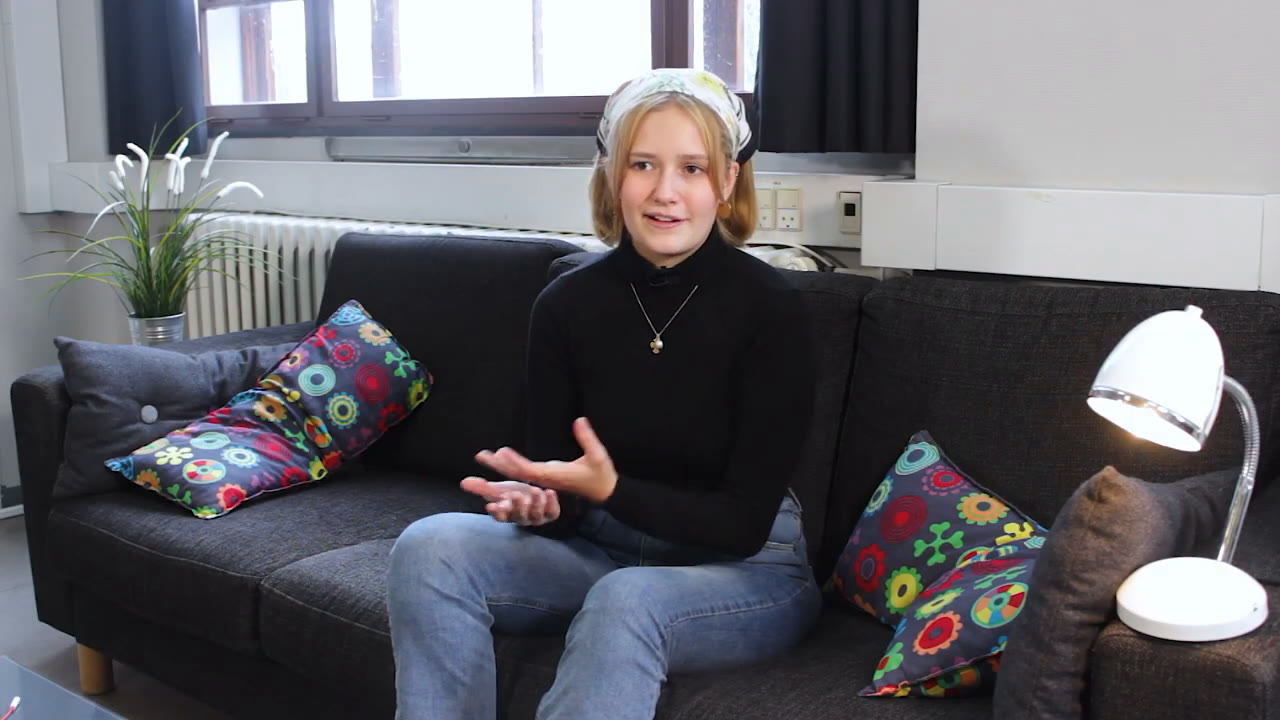
The school's own video is at the top of this page. It's in Danish; the quotes throughout are translated from it, used with the school's permission.
The challenge: printers nobody had time to learn#
The printers were not the problem, and wanting to use them was not the problem either. The barrier was everything in between. Turning an idea into a real print meant learning slicing software, and the teachers, reasonably, had other things to do. So the machines sat in a side room, and the know-how pooled in a few people.
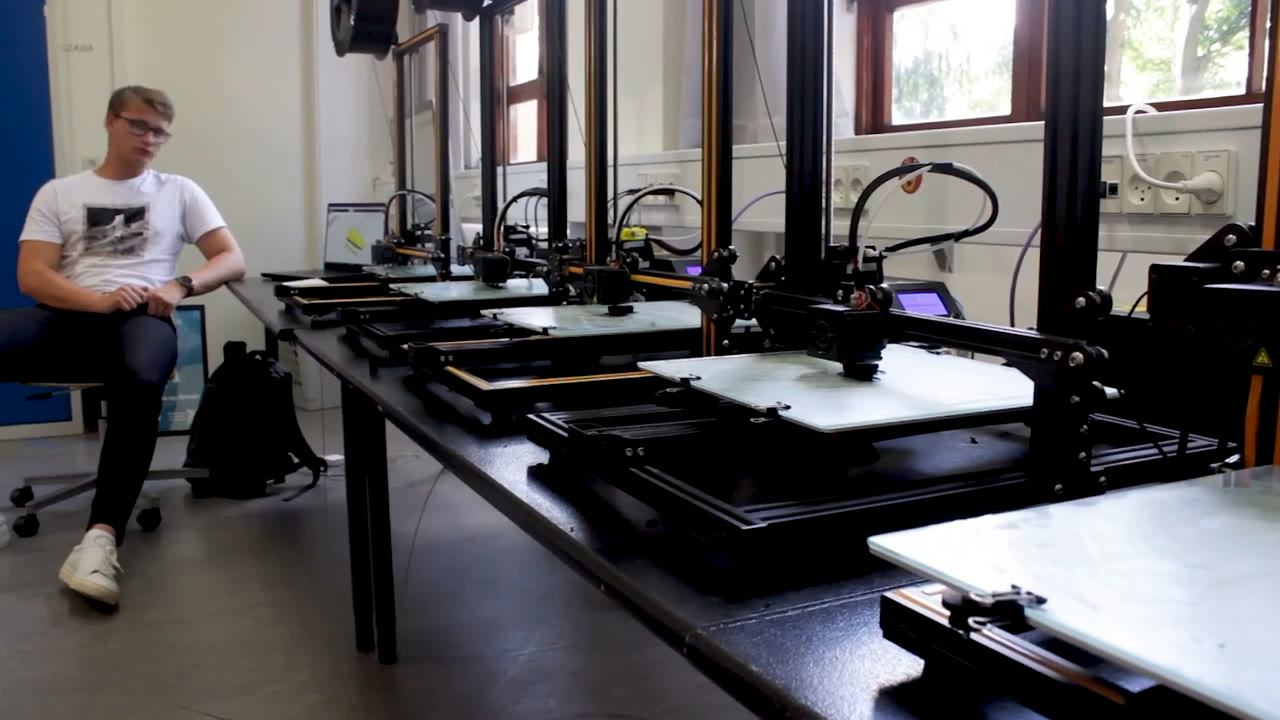
A couple of teachers became the unofficial go-to for anything 3D, and a few keen students became the only ones who really knew the workflow. For everyone else the machines stayed a slightly intimidating, specialist thing. Plenty of good ideas never left the screen, because the route from idea to printed part ran through one busy person.
The turning point: as easy as a normal printer#
SimplyPrint changed the route, not the printers. Instead of installing and learning a slicer, anyone at the school can open SimplyPrint in a browser, upload a model and click print. The hard decisions are already made, and the software walks a first-timer through the rest.
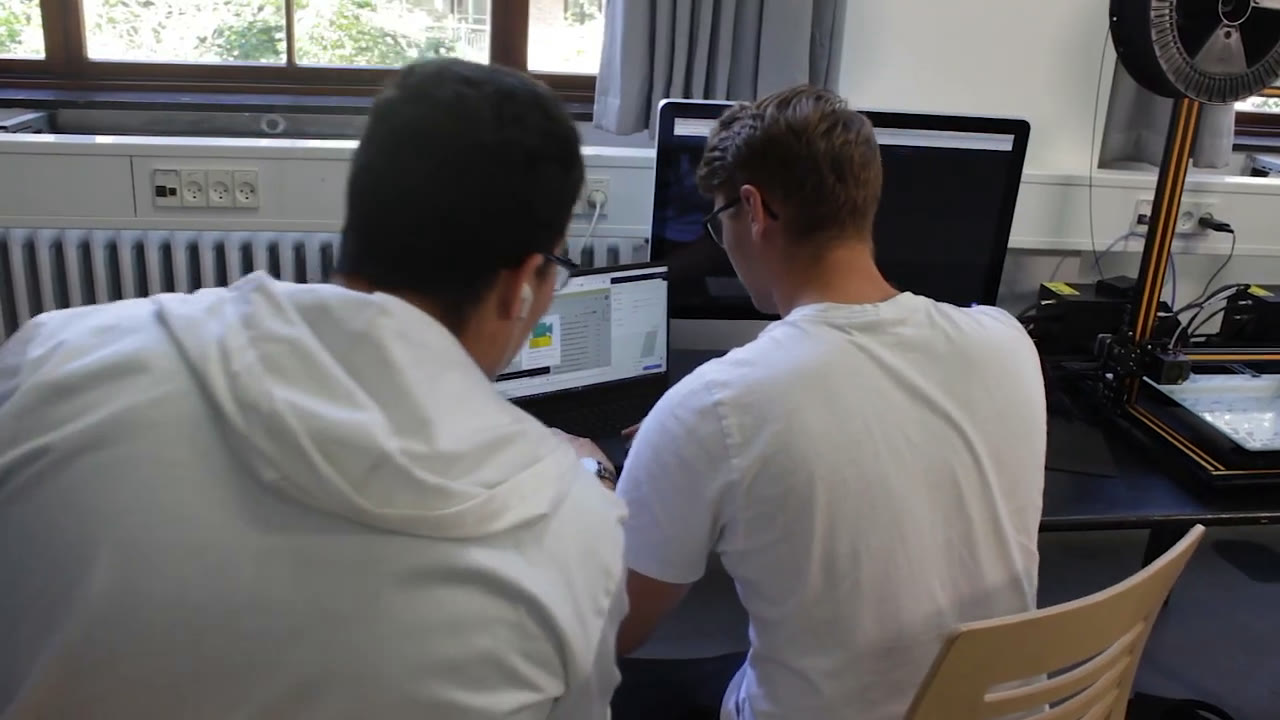
That mattered most to the people who had kept their distance. Rebecca Strange had never printed before and had deliberately steered clear of it, and the change for her was simply that it worked, first try.
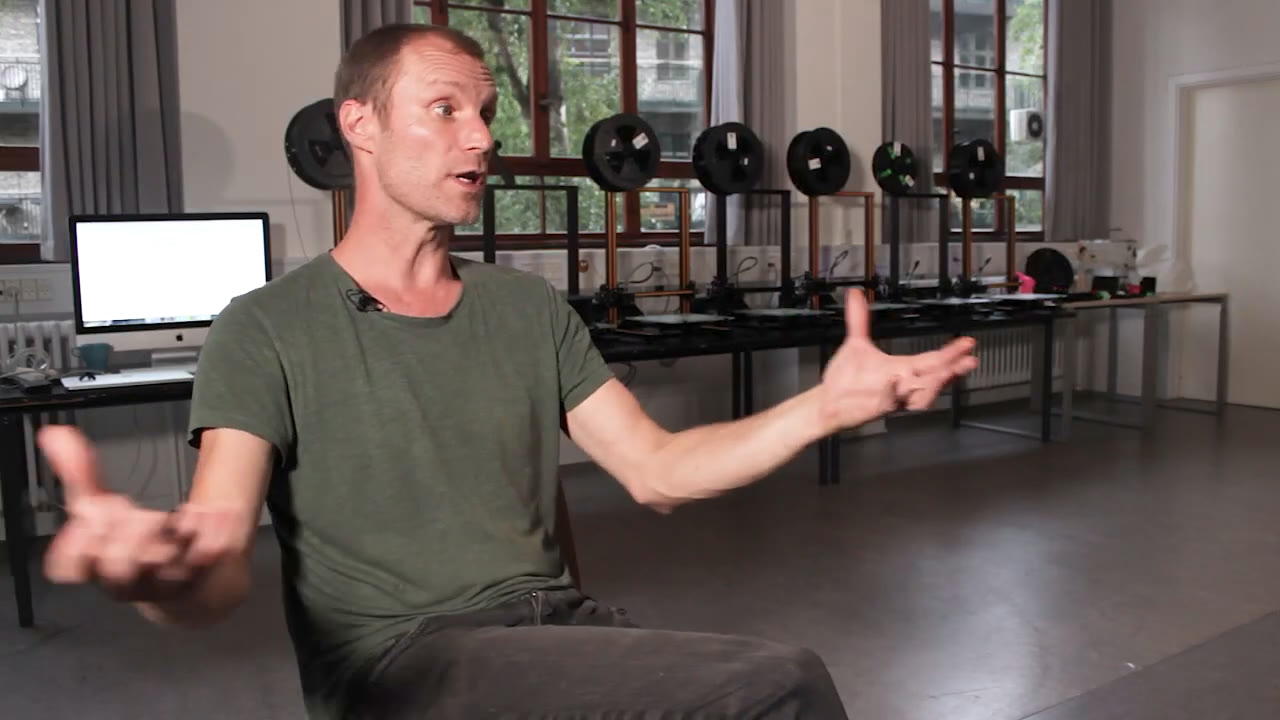
It mattered to the teachers, too, for the opposite reason. A teacher like Simon Moe, who teaches digital technology, is a programmer, not a workshop manager, and he had neither the time nor the wish to become the school's machine operator. SimplyPrint meant he did not have to be one for the printers to get used.
What students actually make#
Once printing was approachable, it started showing up inside real projects. In one of Simon's digital-technology briefs, students had to design a chindogu - a Japanese-style gadget that looks useful but is not - and 3D-print a working prototype. Students drifted down to the lab on their own to print the parts they needed.
We came up with an ice-cube tray that shapes a cup of ice. Normally you'd make something like that in metal or silicone, but that's not material you just have at school. 3D printing was a really good way to make a prototype and actually see how it would work.
That is the shift in a single example: not a specialist demonstrating a machine, but a student reaching for a printer the way they would reach for any other tool.
The result: from a side room to every subject#
The numbers tell the rest. Since 2020, 381 different students and teachers have run prints at the school - more than 9,800 in total - and the printers are still busy today. What used to be concentrated in two or three people is now spread right across the school, which is exactly what the printers were bought for in the first place.
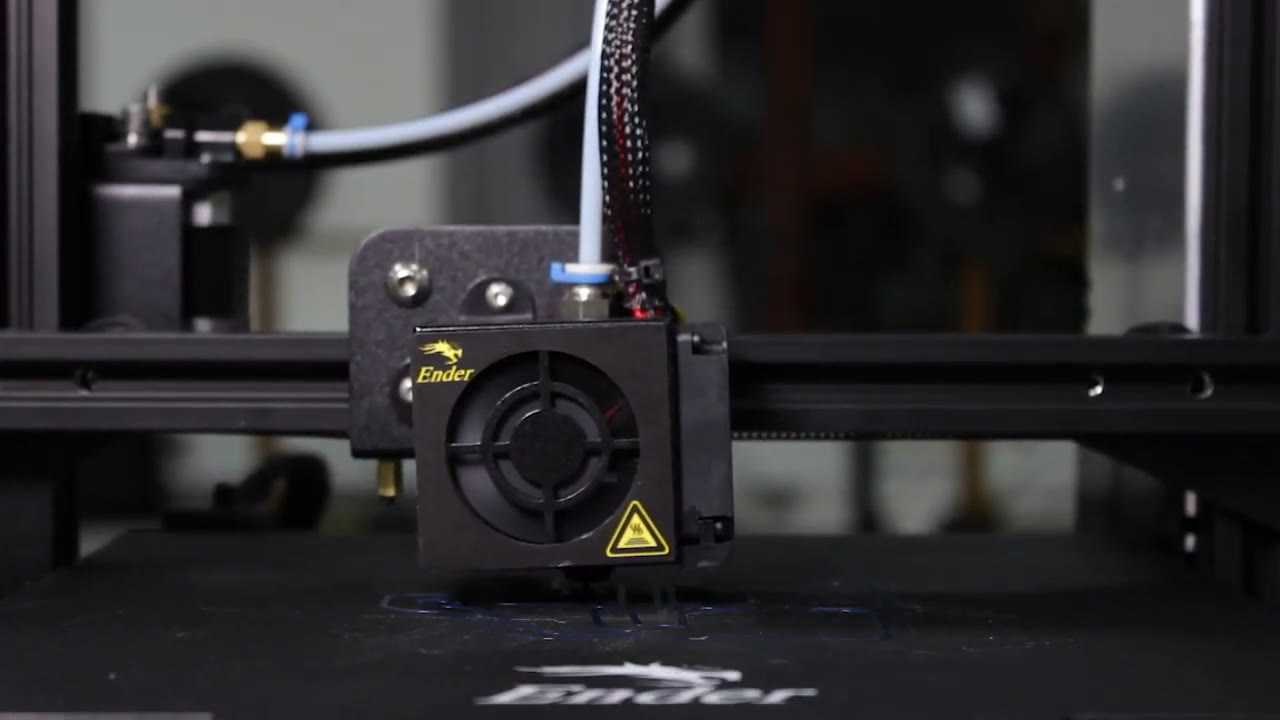
And the printers themselves were never the special part. The school ran a Creality CR-10S, then Prusa MK3S+ machines, and later added Bambu Lab P2S printers - and SimplyPrint managed the whole mix from one place. The change was never the machines. It was removing the one thing standing between a person with an idea and a finished print.
TL;DR#
The Media High School of Copenhagen was the first school to use SimplyPrint. Its 3D printers used to gather dust because only a couple of teachers and a few keen students knew how to drive them. SimplyPrint made printing as easy as a normal printer, so today 381 students and teachers have run more than 9,800 prints across the curriculum - and the printers are still going.